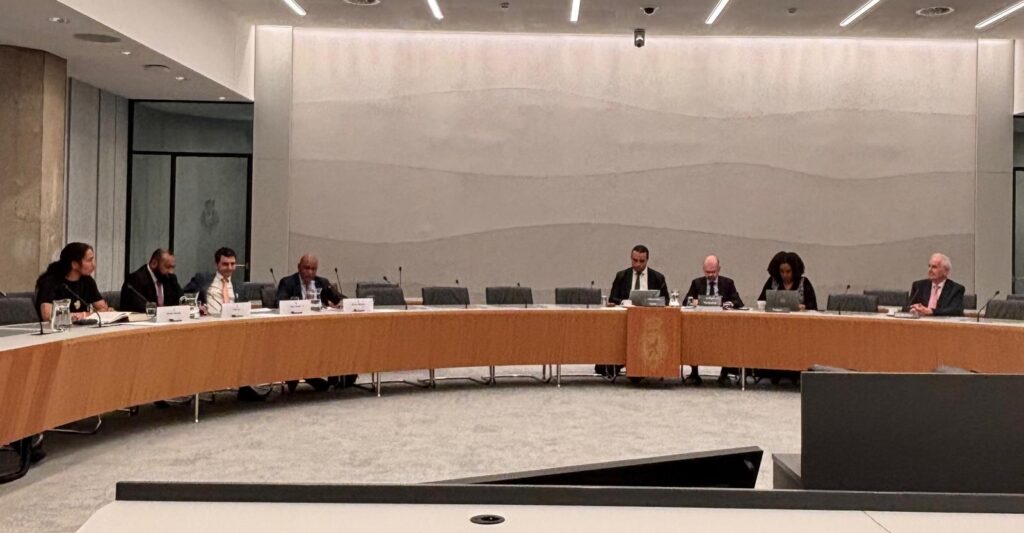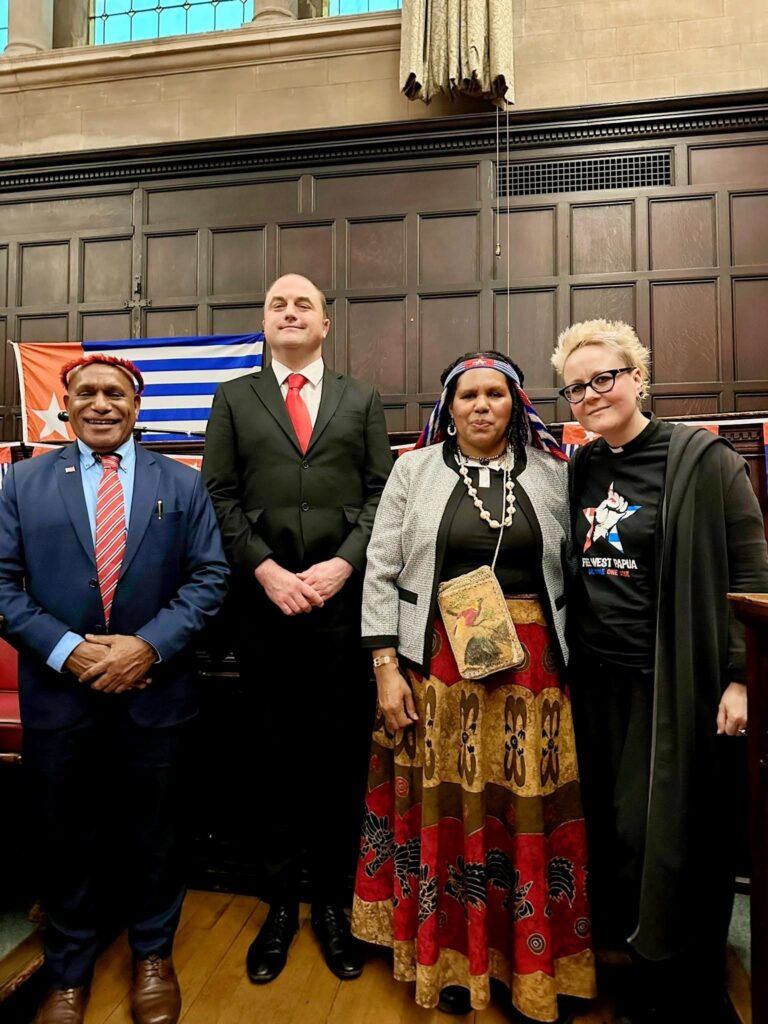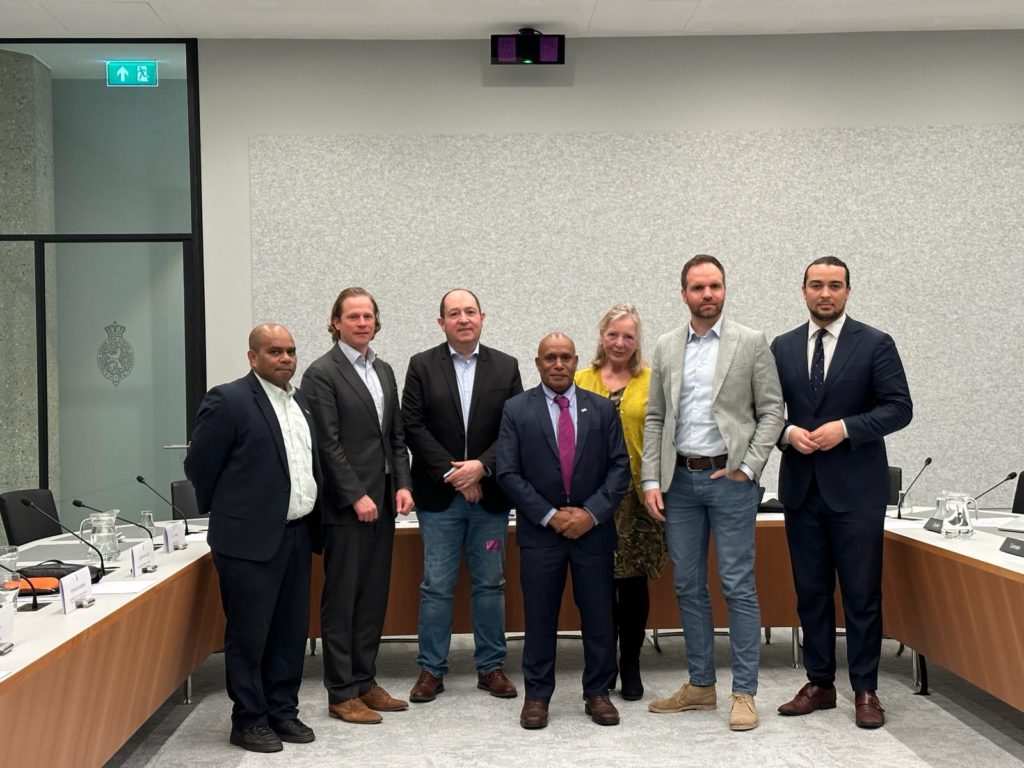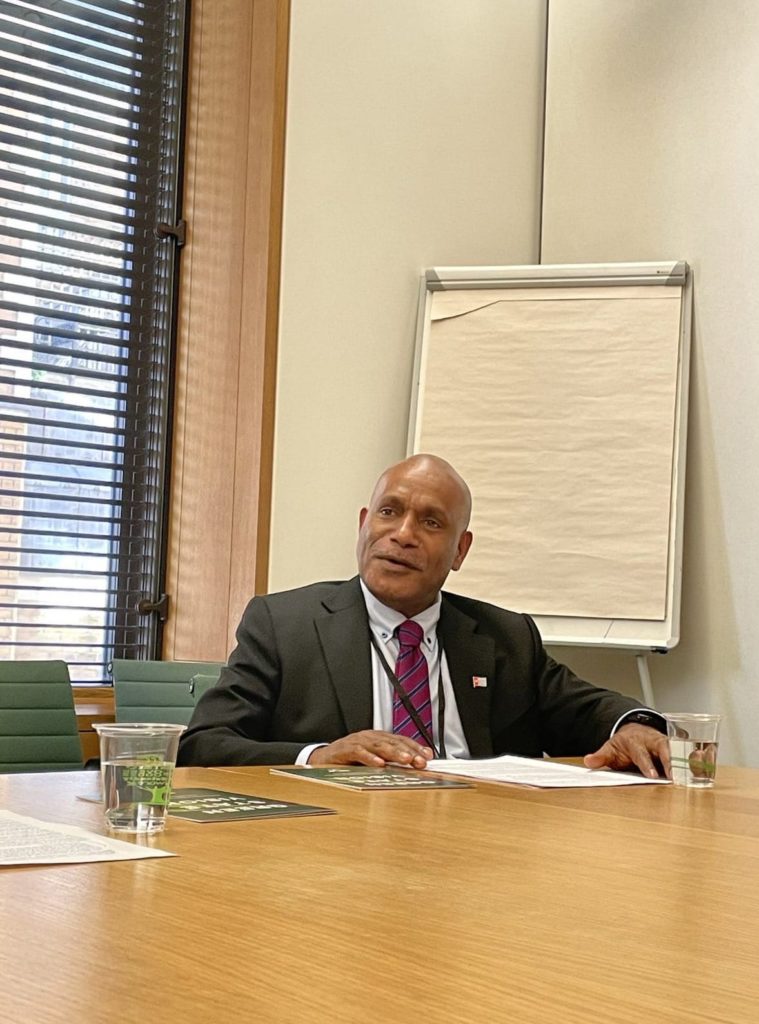
Below is the full version of the speech that ULMWP Interim President Benny Wenda gave in the Dutch Parliament, 21st April, 2026.
I want to first thank Don Ceder for arranging this meeting and inviting me to speak, as President of the West Papua Interim Government.
History has bound West Papua and the Netherlands together. In 1961, the Morning Star flag was raised in West Papua for the first time. The Dutch watched and blessed us as West Papua became an independent nation.
I am here today as Interim President of the West Papua Provisional Government, the successor of the original government established by the New Guinea Council under the Dutch.
We reclaim the legacy of 1961: not to make a new pathway, but to restore the sovereignty that was stolen from us.
But only two years later, our country was stolen from us, as Indonesia invaded. Since Indonesia’s invasion in 1963, we have suffered a nightmare lasting six decades.
The weight of history hangs over us today. Within our shared history lies a legacy of values—values of mutual support, governance, and self-determination. Those values have not been lost. They remain alive in the hearts of the West Papuan people to this day.
For West Papuans, the Netherlands was a coloniser, while Indonesia is an illegal occupier.
It was Indonesia, not the Netherlands, who killed hundreds of thousands of our men, women, and children, who destroyed our forest and poisoned our rivers.
But the Dutch did abandon us to this fate. And as our former coloniser, the Netherlands has unfinished business in West Papua. Responsibility is not erased by time.
Nearly twenty years ago, the Pieter Drooglever report described exactly how Indonesia invaded West Papua and violated our right to self-determination. But the Drooglever report has been swept under the rug and ignored in the Netherlands.
In East Timor, the involvement of Portugal was critical in ensuring a just and peaceful long-term solution. I am not here to reopen past debates, but to invite the Netherlands—as a nation that upholds democracy, international law, and human rights—to play a similar role in West Papua.
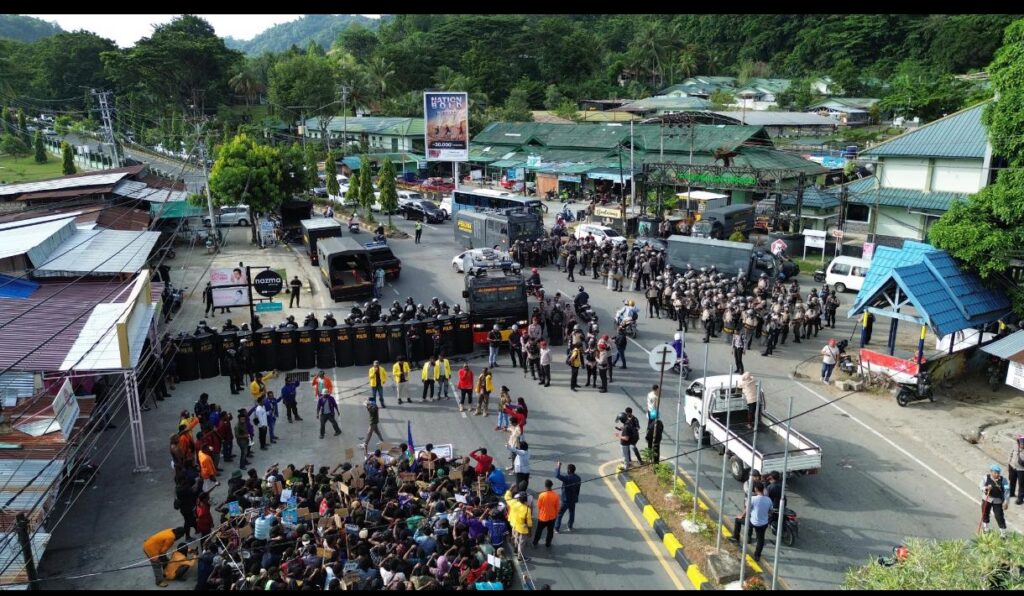
As we heard from our other speakers, the current situation in West Papua is characterised by two connected crimes: ecocide and genocide. At least ten people were massacred last week in Puncak Regency.
Indonesia used sophisticated weapons––bombs, drones, grenades, and guns––to kill children, pregnant women, elders. We are like David, fighting a modern-day Goliath.
And just as Indonesia kills our people, they also kill our forest. For indigenous West Papuans, our forest has always been our supermarket, our garden, our medicine cabinet.
But Indonesia is destroying our forest faster than ever before. In Merauke, Indonesia is currently building the biggest deforestation project in the history of the world.
Honourable Members,
Today, I bring not only the voice of the Papuan people—I also bring an opportunity. An historic opportunity to realise the values of the Netherlands in real, concrete action.
As President of the ULMWP, I therefore call upon the Dutch Parliament to protect West Papua’s right to self-determination on the world stage, and to support a meaningful, peace process in West Papuan issue, rooted in international law.
I also call on the Dutch Parliament to reaffirm––in the strongest possible terms–– their call for the UN High Commissioner for Human Rights to be allowed to visit West Papua.
Finally, the ULMWP asks that the Dutch Parliament revisit the EU Indonesia Free Trade Agreement. The EU has demanded a UN High Commissioner be allowed to visit West Papua––a demand that Indonesia continues to refuse.
Until the UN High Commissioner is permitted to investigate in West Papua, no Trade Deal should be signed.
In closing, allow me to express a simple hope:
That in every decision taken, there will always be room to ask not merely what is possible, but what is right; not merely what is safe today, but what will be valued by future generations.
Thank you.